
5 Free Caregiver Support Resources in Tri-Cities, WA
If you’re helping an aging parent in the Tri-Cities area — Kennewick, Richland, or Pasco — you already know how fast the to-do list grows. Doctor appointments, medication refills, insurance questions, meals, transportation — and that’s before you’ve had your morning coffee. Finding caregiver support resources in Tri-Cities, WA that are actually free, actually local, and actually helpful can feel like a full-time job on top of everything else. This article cuts through the noise and gives you five real places to turn — today, not someday.
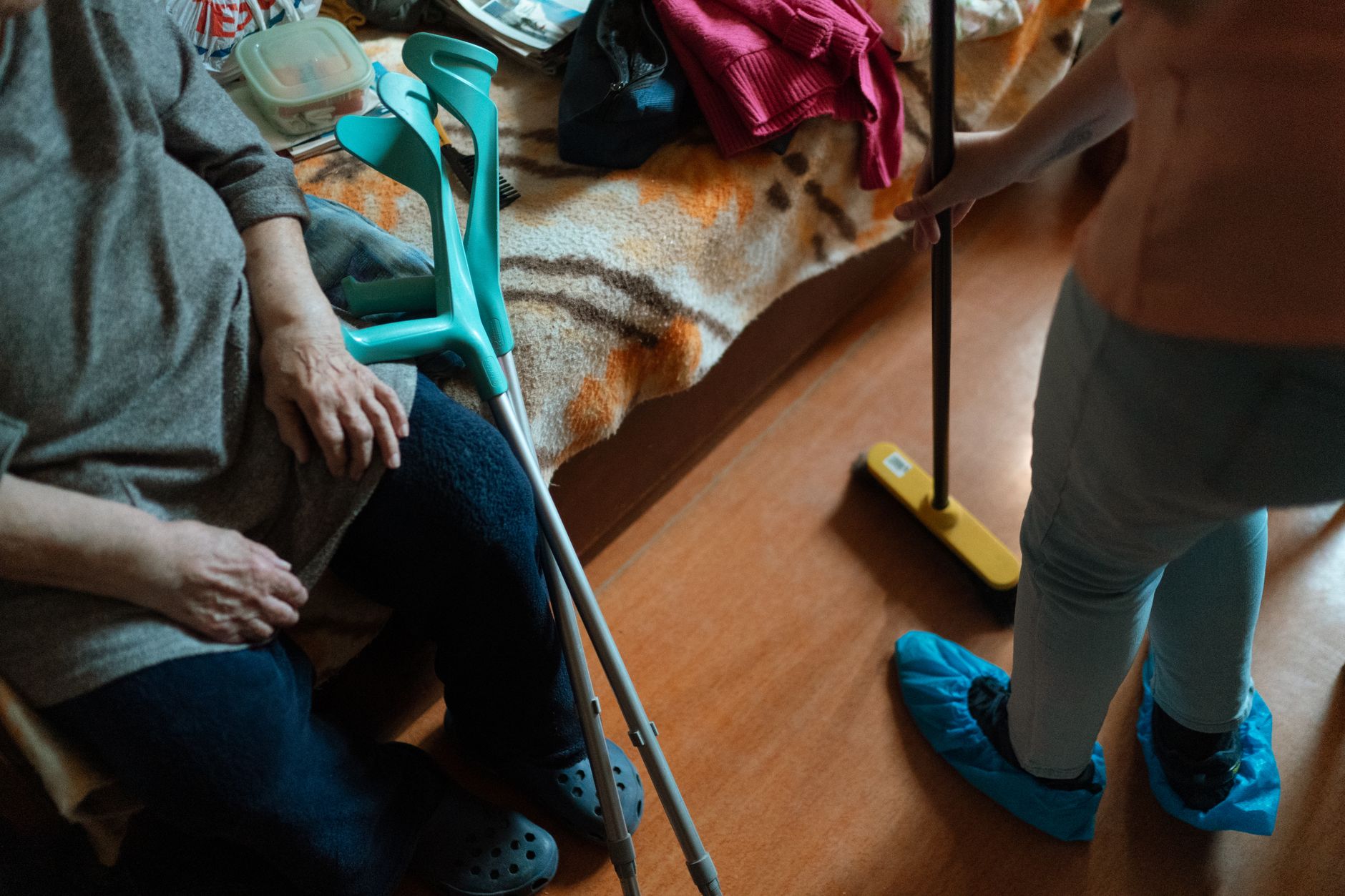
You don’t have to have it all figured out to ask for help. In fact, the caregivers who reach out early tend to last longer and burn out less. So if you’re reading this in a quiet moment between tasks, this one’s for you.
Why Tri-Cities Caregivers Often Go Without Help
There’s a particular kind of exhaustion that comes from caring for a parent in a mid-sized community. You’re not in a major metro with a dozen senior centers on every block, but you’re also not so rural that no services exist. What often happens in places like Kennewick and Pasco is that caregivers don’t know where to look — so they don’t look at all.
A few patterns show up again and again:
- Assuming help is only for low-income families. Many programs serve middle-income households too, especially for respite care and information services.
- Not knowing who to call first. There’s no single “caregiver hotline” that most people know about, so they default to Google and get overwhelmed.
- Waiting for a crisis. Most families don’t look for resources until something goes wrong — a fall, a hospitalization, a wandering incident. Connecting before a crisis gives you more options.
- Feeling like asking for help means you’ve failed. This one is worth saying plainly: it doesn’t. Caregiving is genuinely hard, and using available support is smart, not weak.
The good news? Tri-Cities has more infrastructure than most caregivers realize. Here’s where to start.
1. Aging and Long-Term Care of Eastern Washington (ALTCEW)
This is probably the single most important phone call a Tri-Cities caregiver can make. Aging and Long-Term Care of Eastern Washington (ALTCEW) is the Area Agency on Aging (AAA) serving Benton and Franklin counties — which includes Kennewick, Richland, and Pasco. AAAs are federally funded organizations specifically designed to connect older adults and their families with local services, and ALTCEW is one of the more robust ones in the state.
What they can help with, often at no cost:
- In-home care coordination — connecting families with home care services and helping navigate Medicaid eligibility
- Caregiver support programs — respite care, training, and one-on-one consultations for family caregivers
- Benefits counseling — help figuring out what your parent qualifies for, including Medicare Savings Programs and Medicaid waiver programs
- Meals and nutrition programs — including home-delivered meals for homebound seniors
- Long-term care options counseling — if you’re trying to decide between home care, adult family homes, or assisted living, they can help you think it through
ALTCEW staff are not salespeople. They’re publicly funded and have no financial stake in where your parent lands. That makes them one of the most trustworthy first calls you can make. You can reach them at their website above or call their Aging Network number to be connected with a local specialist.
2. Washington State SHIBA — Free Medicare Counseling
If your parent is on Medicare — or approaching Medicare eligibility — the Statewide Health Insurance Benefits Advisors (SHIBA) program is a resource you should bookmark right now. SHIBA is Washington State’s federally funded State Health Insurance Assistance Program (SHIP), and it offers free, unbiased Medicare counseling from trained volunteers.
This matters because Medicare is genuinely confusing, and the stakes are high. Choosing the wrong plan can cost a family thousands of dollars a year. SHIBA counselors can help you:
- Compare Medicare Advantage vs. Original Medicare for your parent’s specific situation
- Review prescription drug plan (Part D) options during open enrollment
- Understand what’s covered and what isn’t — especially for home health, skilled nursing, and specialist care
- Appeal Medicare denials or billing errors
- Identify Extra Help programs that reduce drug costs for lower-income seniors
SHIBA counseling is completely free and available by phone or in-person appointment. You can find your nearest SHIBA counselor through Medicare.gov or by calling 1-800-562-6900 (Washington SHIBA hotline). This is especially valuable during Medicare Open Enrollment (October 15 – December 7) when plan options change year to year.
The National Council on Aging also maintains a free BenefitsCheckUp tool at NCOA.org that can screen your parent for dozens of federal and state programs they may qualify for — including Medicare Savings Programs that cover premiums and cost-sharing.
3. The Family Caregiver Support Program (Through ALTCEW)
Worth calling out separately from general ALTCEW services: the National Family Caregiver Support Program (NFCSP) is a federally funded program administered locally through your Area Agency on Aging. In the Tri-Cities, that means ALTCEW again — but this specific program is designed for you, the caregiver, not just your parent.
Services available to family caregivers include:
- Respite care — temporary relief so you can take a break without worrying about your parent going without care
- Caregiver education and training — practical skills like safe transfers, medication management, and dementia communication techniques
- Counseling and support groups — individual counseling referrals and peer support with other caregivers in similar situations
- Supplemental services — small amounts of assistance (like adaptive equipment or emergency supplies) when other resources aren’t available
Eligibility is broad. You generally need to be an unpaid family caregiver for someone 60 or older (or any age with dementia). You don’t need to meet an income threshold to access most services, though some programs prioritize lower-income households.
One thing caregivers often don’t realize: you can access this program even if your parent doesn’t know you’re calling. Many adult children reach out on their own first, get information, and then figure out next steps from there. That’s a completely normal way to use these services.
4. Mann-Grandstaff VA Medical Center for Veteran Caregivers
If your parent is a veteran, a whole additional layer of support exists — and it’s one of the most underused resources for Tri-Cities families. The Mann-Grandstaff VA Medical Center in Spokane serves eastern Washington, including Benton and Franklin counties. While it’s about an hour’s drive from Kennewick, many services are available by phone, telehealth, or through community-based outpatient clinics closer to home.
VA caregiver programs worth knowing about:
- Program of Comprehensive Assistance for Family Caregivers (PCAFC) — for eligible post-9/11 veterans with serious injuries or illness; includes a monthly stipend for the primary family caregiver, health insurance, respite care, and mental health support
- Program of General Caregiver Support Services (PGCSS) — open to caregivers of veterans of all eras; includes peer support mentoring, skills training, and coaching
- VA Home-Based Primary Care — for veterans who have difficulty traveling; a VA care team comes to the home
- Aid and Attendance — a VA pension benefit that can help pay for in-home care or assisted living for wartime veterans with limited income who need help with daily activities
To get started, call the Mann-Grandstaff VA Caregiver Support line or ask to speak with a social worker when you contact the medical center. If your parent is enrolled in VA healthcare, this is one of the most comprehensive (and genuinely free) systems available to them.
Many families in Tri-Cities don’t pursue VA benefits because they assume their parent “isn’t sick enough” or “didn’t serve in combat.” Neither is required for most programs. If your parent served, it’s worth a call.
5. AARP Washington and Online Caregiver Tools
Not every resource requires a phone call or an appointment. AARP offers a suite of free online tools and resources that Tri-Cities caregivers can use anytime — especially useful if you’re doing research late at night when offices are closed.
Particularly helpful AARP caregiver resources:
- AARP Caregiving Resource Center — guides on home care, memory care, Medicare, legal planning, and managing caregiver stress
- AARP Care Guide — a practical, step-by-step guide to setting up care for a parent, from initial assessment to long-term planning
- AARP Local — find Washington-specific events, support groups, and volunteer resources near Tri-Cities
- AARP Medicare Question and Answer Tool — plain-language answers to common Medicare questions, including plan comparisons
AARP membership isn’t required to access most of their educational content. While some tools work better with an account, you can access a significant amount of their caregiver library for free without signing up.
If you’re also trying to evaluate whether the online information you’re finding is trustworthy — a real concern given how much low-quality content exists — our guide on How to Find Reliable Senior Care Advice Online in 2025 walks through exactly what to look for.
Warning Signs You Need Support Now — Not Later
Sometimes it helps to have a simple checklist. If any of these apply, connecting with even one resource above this week is worth prioritizing:
- You’ve skipped your own medical appointments because you couldn’t leave your parent
- You feel angry, resentful, or numb more days than not
- Your parent has had a fall, a hospitalization, or a close call in the last six months
- You’re managing medications but aren’t sure you’re doing it correctly
- You don’t know what Medicare plan your parent is on or what it covers
- Your parent is increasingly isolated — rarely leaving home, rarely seeing friends
- You’re the only person in your family actively helping, and you’re running on empty
If you recognized yourself in several of those, you’re not failing — you’re overwhelmed, and there’s a difference. Overwhelmed is fixable with the right support. Our article on Why Caregiver Isolation Hits Hard After the First Month goes deeper on what happens emotionally when caregiving becomes your whole world — and what to do about it.
Frequently Asked Questions
Do I have to be low-income to use these caregiver resources in Tri-Cities, WA?
No. Most of the resources listed here — including ALTCEW’s information and referral services, SHIBA Medicare counseling, and VA caregiver programs — are available regardless of income. Some programs like in-home care subsidies or respite care may prioritize lower-income households, but you won’t know until you ask. Income shouldn’t stop you from making that first call.
What if my parent refuses help? Can I still use these resources?
Yes. Many of these programs are designed to support you as the caregiver, independent of what your parent agrees to. You can call ALTCEW, SHIBA, or a VA social worker to get information, talk through options, and build a plan — even if your parent isn’t ready to accept help yet. Having a plan ready before a crisis hits is one of the most useful things you can do.
How do I know if my parent qualifies for VA caregiver support?
The key eligibility factor is whether your parent served in the U.S. military (active duty, National Guard, or Reserves in some cases) and was discharged under conditions other than dishonorable. Combat service is not required for most VA programs. The VA’s Aid and Attendance benefit, for example, is available to wartime-era veterans who need help with daily activities and meet income/asset limits. A VA social worker can screen for eligibility at no cost.
What does respite care actually cost in Tri-Cities, WA?
Respite care costs vary widely depending on the type. Adult day programs in the Tri-Cities area typically run $70–$120 per day. In-home respite care from a paid caregiver averages $25–$35 per hour. However, through ALTCEW’s Family Caregiver Support Program or VA programs, eligible families may receive respite care at reduced or no cost. It’s worth asking specifically about subsidized respite when you contact these organizations.
Is there a single phone number to call for caregiver help in Tri-Cities?
The closest thing to a single entry point is ALTCEW — their information and referral specialists can help assess your situation and connect you with the right programs, whether that’s local home care, Medicare counseling, or something else. You can also call the Eldercare Locator at 1-800-677-1116 (a free federal service) and they’ll connect you with your local Area Agency on Aging, which in this region routes to ALTCEW.
You Don’t Have to Figure This Out Alone
Caregiving in Tri-Cities, WA can feel like a solo project — especially if your siblings live out of state, your parent is reluctant to accept help, or you’re just not sure where to start. But the resources above exist specifically for moments like this. ALTCEW, SHIBA, the VA, NCOA’s BenefitsCheckUp, and AARP’s caregiver tools are all free, all legitimate, and all designed to reduce the weight you’re carrying — not add to it.
Pick one resource from this list and make one call or visit one website this week. That’s it. You don’t have to solve everything at once. You just have to start.
Related Articles
- Why Caregiver Isolation Hits Hard After the First Month
- How to Find Reliable Senior Care Advice Online in 2025
- When to Switch Medicare Plans for an Aging Parent
By Kinsey Branch | Last Reviewed: July 08, 2026