
5 Free Caregiver Support Resources in Spokane, WA
If you’re caring for an aging parent in Spokane, WA, you’ve probably had at least one moment where you thought: I can’t keep doing this alone. Maybe it was after a sleepless night, or after you realized you’d skipped another doctor’s appointment of your own. That feeling isn’t weakness — it’s a signal that you need more support than most families know how to find. The good news? There are real, free caregiver support Spokane resources available right now, and most families never tap into them simply because they don’t know where to look. This article lays out five of the most useful ones — no confusing jargon, no runaround.
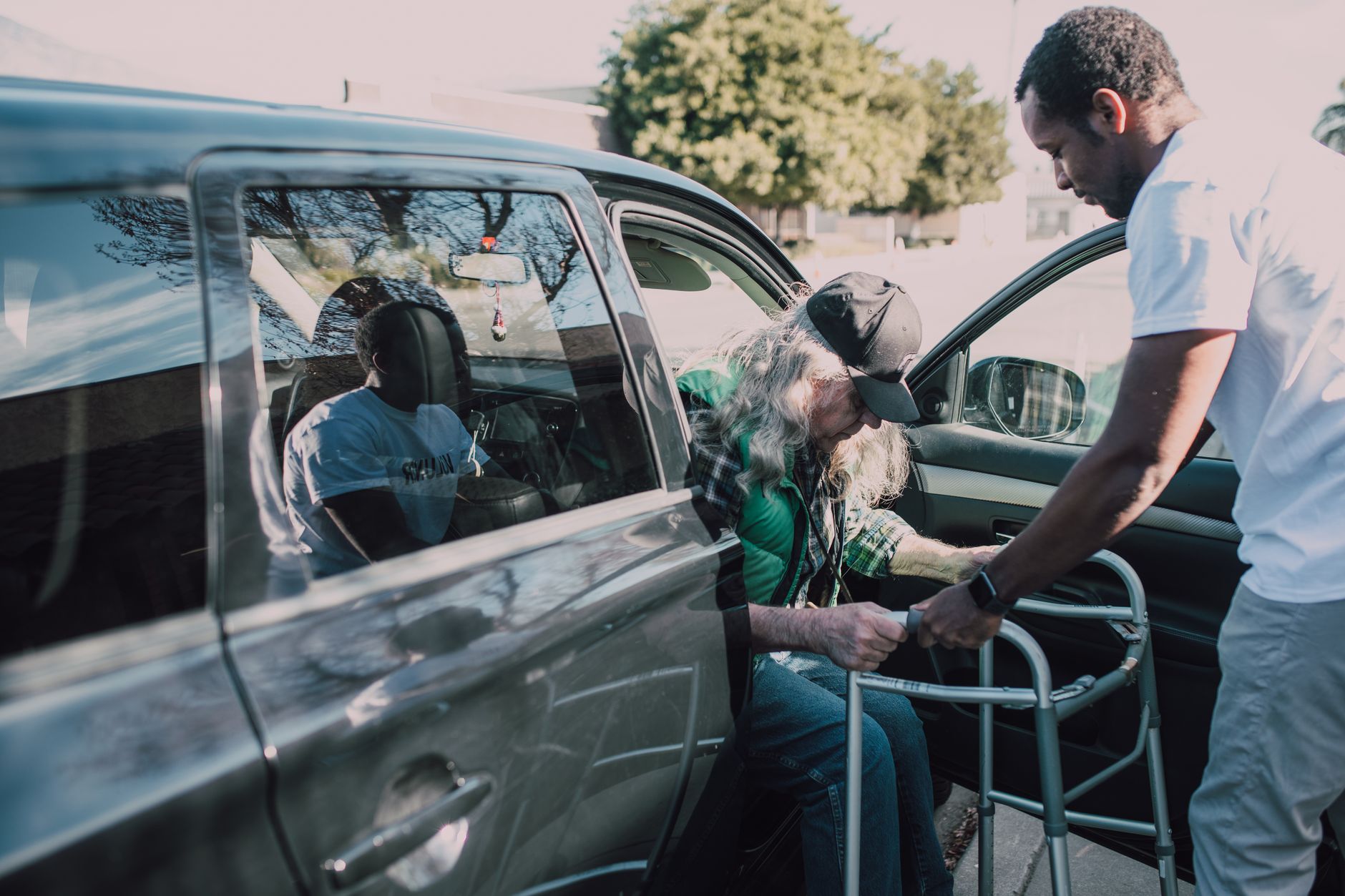
Why Spokane Caregivers Often Go Without Help
Caring for a parent is one of the most demanding roles a person can take on — emotionally, physically, and financially. Yet research consistently shows that family caregivers are among the least likely to ask for help. A National Institute on Aging review found that caregiver stress is linked to higher rates of depression, immune suppression, and long-term health decline in the caregivers themselves. Not just their parents — them.
In Spokane specifically, several factors make the situation harder:
- Geography: Eastern Washington is more rural than the west side of the state. If your parent lives outside the city core, getting professional care to them — or getting yourself to a support group — takes real effort.
- Income gaps: Many Spokane-area families are middle-income, meaning they don’t automatically qualify for Medicaid-funded services but also can’t easily afford private home care at $28–$35/hour.
- Information overload: A quick Google search for “caregiver help Spokane” returns a flood of senior living ads, insurance lead-gen forms, and generic blog posts. Finding programs that are actually free and local takes persistence most exhausted caregivers don’t have.
- Pride and guilt: Many adult children feel that accepting outside help means they’re failing their parent — or breaking a promise. If that resonates with you, you’re not alone, and you’re not failing anyone.
The resources below are a starting point. None of them require you to commit to anything permanent, and most can be reached with a single phone call or web visit.
Resource #1: Aging and Long-Term Care of Eastern Washington (ALTCEW)
This is the single most important organization for Spokane-area family caregivers to know. Aging and Long-Term Care of Eastern Washington (ALTCEW) is the Area Agency on Aging (AAA) serving Spokane and five surrounding counties — Adams, Ferry, Lincoln, Pend Oreille, and Stevens. It’s federally funded through the Older Americans Act (OAA) and exists specifically to connect families like yours to services you may not know exist.
What ALTCEW can do for you:
- Caregiver support coordination: A care coordinator can sit down with you (virtually or in person) and map out what your parent needs versus what you can realistically provide — then connect you to local programs to fill the gaps.
- Respite care referrals: If you need a few hours — or a few days — away from caregiving, ALTCEW can help identify respite options, some of which are free or subsidized.
- Medicaid waiver navigation: If your parent might qualify for Washington State’s Community Options Program Entry System (COPES) or other Medicaid home care waivers, ALTCEW can walk you through the application process.
- Information and assistance line: Not sure what you need? Call and talk to someone. They don’t push you toward any particular facility or service.
ALTCEW’s services are free to access. You don’t need to prove income to call and ask questions. Start at altcew.org or call their office to be connected with the right program coordinator.
Resource #2: The National Family Caregiver Support Program (NFCSP)
Most people have never heard of the National Family Caregiver Support Program — which is a shame, because it’s one of the most practically useful federal programs available. Authorized under the Older Americans Act and administered nationally through the Administration for Community Living (ACL), the NFCSP provides funding that flows down through state agencies and then to local AAAs like ALTCEW.
In Spokane, WA, this translates to real, tangible help:
- Caregiver counseling and support groups: One-on-one counseling to help you process the emotional weight of caregiving, plus group settings where you can hear from other families going through the same thing.
- Caregiver training: Hands-on or online training that teaches you how to safely help a parent with bathing, transfers, medication management, and more — skills that prevent injuries to both of you.
- Supplemental services: Depending on local funding availability, this can include home-delivered meals for your parent, minor home modifications, or emergency supplies.
- Grandparent caregiver support: If you’re a grandparent (age 55+) raising grandchildren, or an older relative caring for a child with a disability, the NFCSP has a specific track for you.
The NFCSP is means-tested at the local level, meaning priority is given to those with the greatest social and financial need — but it does not have a strict income cutoff for initial information and referral services. Contact ALTCEW to find out what’s currently available in Spokane County.
Resource #3: VA Caregiver Support for Veteran Families in Spokane, WA
If your parent is a veteran, there’s a separate layer of support that too few families use. The VA Caregiver Support Program offers two main tracks — and both are available to families connected with the Mann-Grandstaff VA Medical Center in Spokane, which serves eastern Washington and northern Idaho.
Program of General Caregiver Support Services (PGCSS): This is available to caregivers of any enrolled veteran, regardless of when or where they served. Benefits include:
- Free caregiver coaching by phone or in person
- Access to a peer support network of other veteran family caregivers
- Skills training through the “Building Better Caregivers” online workshop
- Referrals to respite care and community resources
Program of Comprehensive Assistance for Family Caregivers (PCAFC): For caregivers of post-9/11 veterans (and now expanded to include pre-9/11 era veterans) with serious injuries or illnesses, this program goes further:
- A monthly caregiver stipend (amounts vary by need level; typically $700–$2,400/month depending on the veteran’s condition)
- Health insurance through CHAMPVA if you’re not already covered
- Respite care — up to 30 days per year
- Mental health counseling and caregiver wellbeing services
To apply or learn more, contact the Caregiver Support Coordinator at Mann-Grandstaff VA Medical Center directly. You can also call the VA Caregiver Support Line at 1-855-260-3274.
Resource #4: NCOA BenefitsCheckUp — Finding Hidden Benefits in Minutes
Many Spokane caregivers are leaving money on the table — not because they’re ineligible for benefits, but because they’ve never had a way to find out what their parent qualifies for. The National Council on Aging (NCOA) runs a free online tool called BenefitsCheckUp that screens for more than 2,500 federal, state, and local benefit programs.
In about 15 minutes, you can screen your parent for:
- Medicare Savings Programs (which can eliminate Part B premiums — worth up to $2,106/year in savings)
- Extra Help / Low Income Subsidy for prescription drug costs
- Washington State’s COPES and other Medicaid-funded home care programs
- SNAP (food assistance) — many seniors who qualify don’t realize it
- Utility assistance through LIHEAP
- Property tax exemptions for seniors in Spokane County
The tool doesn’t require you to share your parent’s Social Security number. It gives you a customized list of programs to investigate, along with direct links to apply. You can access it at ncoa.org/BenefitsCheckUp. If you’d rather do this with guidance, ALTCEW can also walk you through the screening in person.
This is one of the most concrete steps you can take today — before your next care planning conversation, before the next billing surprise, before the next crisis.
Resource #5: Washington State’s SHIBA Program — Free Medicare Help
Medicare decisions are confusing under the best circumstances. For a caregiver trying to manage them on top of everything else, they can feel overwhelming. Washington State has a free resource specifically for this: the Statewide Health Insurance Benefits Advisors (SHIBA) program, part of the Senior Health Insurance Program (SHIP) network funded through the Administration for Community Living.
SHIBA counselors in Spokane are trained volunteers who provide:
- One-on-one help comparing Medicare Advantage vs. Original Medicare for your parent’s specific situation
- Guidance on Medigap (supplemental) plan options
- Help enrolling in Part D prescription drug coverage and avoiding late enrollment penalties
- Assistance appealing Medicare denials
- Explanation of what Medicare does — and does not — cover (home care, memory care, and long-term care are commonly misunderstood)
SHIBA counselors have no financial interest in what plan you choose. They don’t sell insurance. That makes them one of the few sources of truly unbiased Medicare guidance available. To connect with a SHIBA counselor in Spokane, call the Washington State SHIBA helpline at 1-800-562-6900, or ask ALTCEW to make the connection for you.
If Medicare decisions are already a source of stress — especially during open enrollment or after a major health event — getting a SHIBA appointment is one of the best one-hour investments you can make. You can also read our Medicare open enrollment help guide for Spokane seniors for more on what these windows mean and when to act.
Warning Signs You Need to Call One of These Programs Now
Sometimes caregivers wait until a full-blown crisis before reaching out. If any of the following apply to your situation, don’t wait:
- You’ve missed your own medical appointments more than twice in the past year because of caregiving
- You feel angry, resentful, or hopeless more days than not
- Your parent has had a fall, a hospitalization, or a new diagnosis in the past 60 days
- You’re paying for care out of pocket and don’t know if there are benefits you’re missing
- Your parent is a veteran and you’ve never spoken to a VA caregiver support coordinator
- You’re the only person providing care — no backup, no breaks
- You’ve started searching online for senior care advice but can’t tell which sources to trust
That last point matters more than people realize. As you research options online, be selective about where you’re getting your information. Our article on how to spot fake senior care advice online walks through the red flags to watch for — including the difference between a genuine caregiver resource and a site that exists to sell you something.
Frequently Asked Questions
Do I have to be low-income to use ALTCEW’s caregiver services?
No. ALTCEW provides information, assistance, and care coordination to all family caregivers in Spokane and the surrounding five counties, regardless of income. Some specific programs — like Medicaid-funded home care — have income and asset limits, but calling to ask questions is free and open to everyone.
My parent is a veteran but we’ve never used the VA. Is it too late to start?
It’s not too late. Veterans can apply for VA healthcare enrollment at almost any point, and caregivers can connect with the Mann-Grandstaff VA Medical Center’s Caregiver Support Coordinator even before formal enrollment is complete. The PGCSS program, in particular, is a good starting point because it’s available to caregivers of any enrolled veteran.
What if my parent refuses help or doesn’t want strangers in the home?
This is one of the most common challenges caregivers face, and there’s no easy fix. A care coordinator from ALTCEW can help you think through how to have these conversations, and counseling through the NFCSP can give you strategies for navigating your parent’s resistance. In some cases, framing help as something that benefits you — rather than something your parent “needs” — can lower defenses.
Are these programs only for seniors with dementia or serious illness?
No. While many caregiving resources do focus on high-needs situations, most of the programs listed here are available to any family caregiver — whether you’re helping a parent who’s physically frail, managing multiple chronic conditions, recovering from surgery, or showing early cognitive changes.
How long does it take to get services started through these programs?
It varies. A phone call to ALTCEW or a SHIBA counselor appointment can happen within a few days. The BenefitsCheckUp screening takes 15 minutes online, right now. VA PCAFC applications can take 90 days or more to process, so if you think you might qualify, start that process sooner rather than later. Respite care and some NFCSP services may have waitlists depending on current funding levels.
You Deserve Support Too
Caring for an aging parent is one of the most loving things a person can do — and one of the most depleting. The five resources above won’t solve every problem, and none of them will make the hard decisions easier. But they can reduce the financial pressure, give you back some breathing room, and connect you with people who genuinely understand what you’re going through. You don’t have to figure this out alone, and in Spokane, WA, you don’t have to pay for basic guidance. Start with one phone call — to ALTCEW, to the VA, to SHIBA — and see what opens up.
Related Articles
- 5 Free Caregiver Support Resources in Eugene, OR
- Who Pays for Home Caregiver Burnout Help in Issaquah, WA
- How to Get Paid Caring for a Parent in Portland, OR
By Johnathan Rosales | Last Reviewed: July 03, 2026